Orders, inventory, and returns — off the team’s plate.
An operations automation layer for a multichannel e-commerce brand — keeping inventory in sync across Shopify, marketplaces, and the 3PL, processing orders, and handling returns with exceptions flagged — so the store can scale without scaling its ops headcount.
- Client
- E-commerce Brand
- Industry
- E-commerce · Multichannel Retail
- Region
- United States
- Services
- Workflow Automation · Integrations · Full-stack
- Timeline
- 4 weeks to launch
- Year
- 2026
What they were up against.
An e-commerce brand had outgrown its own back office. It sold across several channels — its Shopify store, online marketplaces, a wholesale line — and each one kept its own idea of what was in stock. Someone reconciled them by hand, in spreadsheets, every morning. When the numbers drifted, the store either oversold something it could not ship or sat on stock it had told a channel was gone.
Behind the listings, the work piled up. Orders were pulled from each channel and pushed to the 3PL by hand. Returns — a quarter to a third of which carry some exception, a damaged item, a missing tag, a fraud flag — were worked one email at a time. Industry research puts the manual operations load at fifteen to twenty per cent of a scaling store’s capacity: a real slice of the team doing nothing but moving data between systems.
The brand did not want to hire three more people every time it added a channel. It wanted one system that held the truth about stock, processed orders into the 3PL on its own, and handled the routine returns — so the team could run a bigger store, not just a busier one.
- Keep inventory correct across every channel — Shopify, marketplaces, wholesale
- Process orders into the 3PL without a person pulling and pushing data
- Handle routine returns automatically, and flag only the exceptions that matter
How we built it.
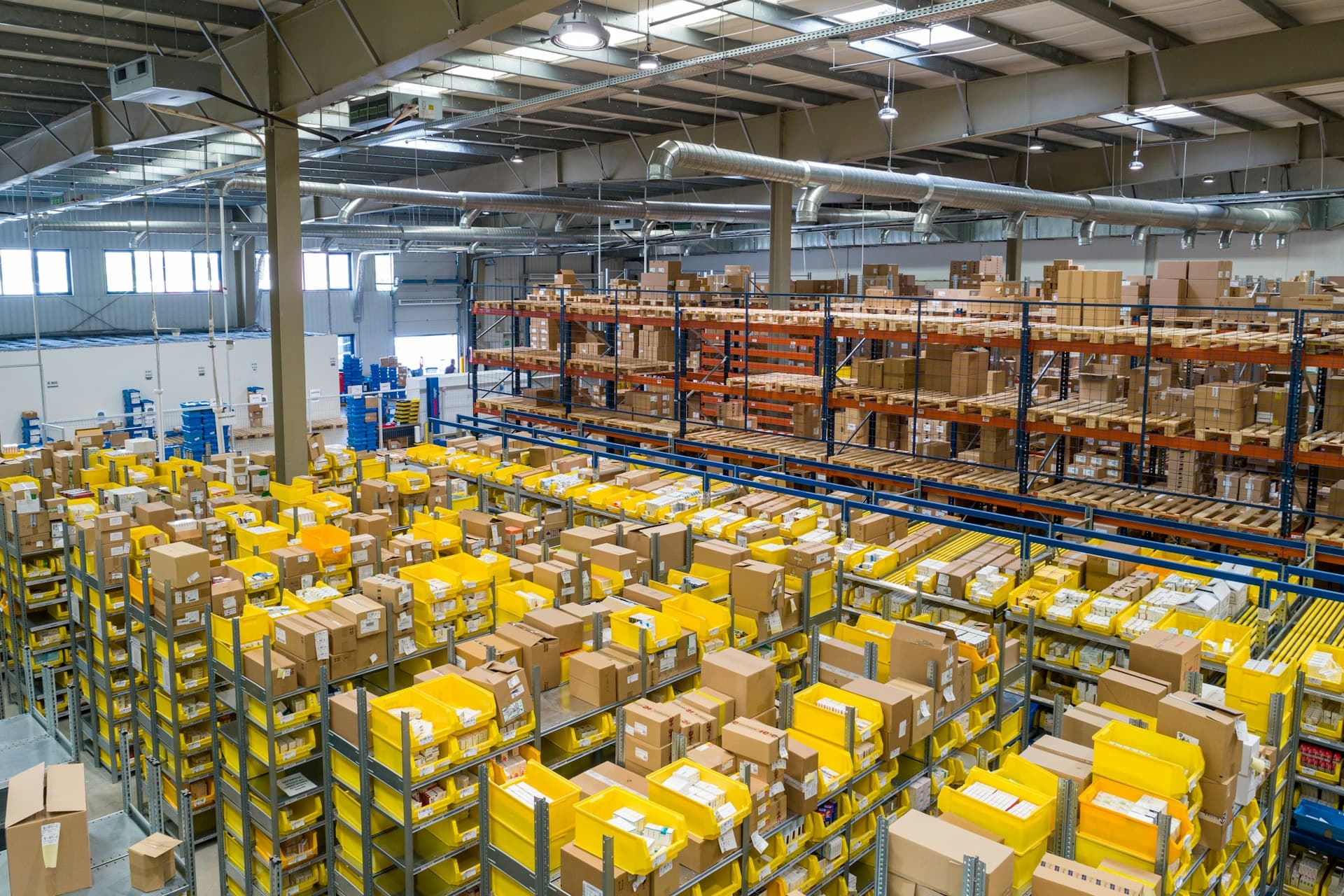
We built one operations layer that sits between the sales channels and the 3PL. It holds the single source of truth for stock: every sale on any channel decrements it, and every channel is pushed the new number in real time — so the store can no longer oversell or hide inventory it could actually ship.
Orders flow in from every channel into one pipeline — validated, enriched, and routed to the 3PL automatically, with the cut-off times and routing rules of each fulfilment path built in. Nobody re-keys an order, and nobody misses a dispatch window because they were buried in another channel’s dashboard.
Returns run the same way. The routine ones — right item, within policy — are processed end to end automatically. The exceptions, the damaged items and fraud signals that a quarter of returns carry, are the only ones a human sees, each flagged with its reason. The team works the hard cases instead of every case.
It is all run from one dashboard — stock, orders, and returns across every channel in a single view. Adding a sales channel is now a configuration, not a hiring decision: the back office scales by setting, not by headcount.
- A unified operations layer between the sales channels and the 3PL
- Real-time inventory sync across Shopify, marketplaces, and wholesale
- Automated order processing and routing into the 3PL
- Automated returns, with exception flagging for damage and fraud
- One dashboard for stock, orders, and returns across every channel
- New channels added by configuration, not by hiring
The truth about stock lives in one place
Every channel keeping its own stock count is exactly how a store oversells. We made the operations layer the single source of truth — every channel reads from it and writes to it, none of them guesses. The daily reconciliation spreadsheet did not get faster; it stopped existing, because there was nothing left to reconcile.
- n8n
- Shopify API
- Claude
- Next.js
- Postgres
What changed.
Stock is now correct on every channel without anyone reconciling a spreadsheet — the store stopped overselling and stopped hiding inventory it could ship. Orders move from any channel into the 3PL on their own, and routine returns close themselves.
The ops team’s day changed from moving data between systems to running the business — and adding the next sales channel no longer means adding the next hire. The store can grow its revenue without growing its back office at the same rate.
“We used to reconcile stock across four channels by hand every morning. Now it just stays right, orders flow to the 3PL on their own, and we added a new marketplace without adding anyone. Same team, much bigger store.”
Client under NDA · Reference available on request
An online store’s ceiling is usually its back office, not its market. Make one system the source of truth, and the store can grow faster than the ops team has to.