AI role-play for loan officer coaching companies - The realtor call goes better on the tenth try.
Zaibex builds AI role-play coaches, a type of AI practice coach, for loan officer coaching companies. Your loan officers rehearse the realtor partner call, the rate shopper and the past-client call out loud against an AI agent or borrower who pushes back. Every call is scored on your playbook, with RESPA and fair lending rules in the rubric, and your coaches see who practiced. A first version takes about two weeks, and most builds are live in four to six weeks. You own the code and data.
Your loan officers know the value proposition. Then a top agent says she already has a lender, and the pitch falls apart. A practice coach gives them the ten tries before the real one: a voice role-play against an AI agent who has heard every pitch, scored on your playbook. It also knows where RESPA draws the line when the agent asks what's in it for her.

The problems this is built for.
Common problems coaching owners describe. Not client quotes, and no one here is a named client.
Hover to pause
“Every agent says they already have a lender.”
“They lose deals to a rate quote nobody compared line by line.”
“Nobody practices the realtor pitch until it is live.”
“Past clients close, and we never hear from them again.”
“We want an AI tier on our playbook, not a generic one.”
The calls that make or break a loan officer’s month.
Each scenario runs on your playbook. The AI plays a busy agent or a nervous borrower, with the objections loan officer coaching already teaches.
The realtor partner call
A loan officer calls a producing agent who has a lender she likes. Coaching sees this objection as a sign the value proposition is too weak, not as a no.
The AI on the other end says- “I've already got a mortgage lender.”
- “What makes you different from the last five who called?”
- “Just send me your rate sheet.”
Scored on your rubric- Led with something about the agent's business, not rates
- Asked about her pipeline and her biggest headache
- Asked for a specific next meeting
The agent who asks for a perk
The agent likes the pitch, then asks what the loan officer will do for her. This is where a script can drift into a RESPA problem.
The AI on the other end says- “The last lender paid for my open house ads.”
- “Can you cover lunch for my team every month?”
- “What do I get for sending you buyers?”
Scored on your rubric- Offered nothing of value in return for referrals
- Moved to service the agent's buyers will feel
- Used your compliance team’s approved answer
The rate shopper
A borrower has a lower quote from another lender and is ready to walk. Coaching teaches comparing like for like before talking price.
The AI on the other end says- “Another lender quoted me a lower rate.”
- “Your fees are too high.”
- “I'll wait until rates drop.”
Scored on your rubric- Compared lock period, points and loan amount
- Separated lender fees from third-party fees
- Gave the APR wherever a rate was stated, per your script
- Didn't run down the other lender
The first-time buyer pre-approval
A nervous first-time buyer who thinks they need 20% down and perfect credit. The call should leave them with a plan, not a lecture.
The AI on the other end says- “I'm worried about my credit.”
- “Do I need 20% down?”
- “How much can I actually afford?”
Scored on your rubric- Asked discovery questions before quoting anything
- Said nothing that would discourage an application on a prohibited basis
- Ended with the documents and the next step
The past-client call
A client who closed two years ago. Rates moved, or their home value did. The call is about their goals, not a pitch.
The AI on the other end says- “We're happy with our rate.”
- “Is this a sales call?”
- “We're not planning to move.”
Scored on your rubric- Opened with something useful to them, such as PMI removal
- Asked about life changes since closing
- Booked a review, or asked for a referral the right way
What your client does, and what you do.
A week for one loan officer in a coaching program. The right-hand column is your coaching and compliance team, and how little it asks of them.

- 01MondayYour client
At 8am a loan officer runs the realtor partner call twice against an AI agent who already has a lender. Score: good research, never asked for the meeting.
YouNothing. You set the program up once, from your playbook.
- 02TuesdayYour client
In the second run, the AI agent asks him to pay for her open house ads. He offers to split the cost. The rubric flags it as a RESPA risk and shows your approved answer.
YouYour compliance lead sees the flag in the review queue. It becomes a five-minute segment on Thursday’s call.
- 03WednesdayYour client
Rehearses the rate shopper until he compares lock period, points and fees in that order without notes.
YouYour coaches open the dashboard. Most of the cohort skipped the fee comparison this week.
- 04ThursdayYour client
Makes his real agent calls. Afterwards, replays the one that went badly until the score clears your bar.
YouYour coaches message the loan officers who have not practiced in a week.
- 05FridayYour client
Gets a recap: four practice calls, one skill improved, one goal for next week.
YouYou build next week’s group call around the objection the cohort keeps losing.
Your playbook as a practice partner, with compliance built in.
We build from your call guides, your value proposition scripts and the scorecard your coaches use. Your compliance team approves the answers before members see them.
- 01
Voice role-play on your playbook: realtor partner calls, rate shoppers, pre-approvals and past-client calls
- 02
An AI agent or borrower who pushes back, including the agent who asks for a perk
- 03
A score on your scorecard after every practice call, with the one line to use next time
- 04
RESPA and fair lending checks in the rubric, with approved answers from your compliance team
- 05
A coach and compliance dashboard: who practiced, who went quiet, and what got flagged
- 06
A member login under your brand, ready to include in coaching or sell as a paid tier
- Jungo (Salesforce APIs)
- Shape (API)
- Surefire (public APIs)
- GoHighLevel
- Kajabi
- Stripe
The rules every mortgage script answers to.
Loan officers practice the calls where compliance mistakes happen. So the rules go into the rubric, and your compliance team signs off on the approved answers.
- RESPA Section 812 U.S.C. 2607 (RESPA Section 8)What it means for a script
Nobody may give or accept a fee, kickback or "thing of value" in exchange for referring settlement business on a federally related mortgage. A referral is not a service that can be paid for.
What the coach doesPartner scenarios include the agent who asks for a perk. Any answer that ties something of value to referrals is flagged, and the coach shows your approved answer.
- Regulation X and CFPB guidanceCFPB: RESPA FAQsWhat it means for a script
Payment for services actually performed is allowed, and so are normal promotional and educational activities that are not tied to referrals. The CFPB says there is no exception based only on how small a gift is.
What the coach doesThe coach never suggests that a small gift is fine because it's small. Gray areas go to your compliance team, not to the AI.
- Fair lending (ECOA and Regulation B)12 CFR 1002.4 (ECOA, Regulation B)What it means for a script
A loan officer may not say anything that would discourage a reasonable person from applying, on a basis such as race, color, religion, national origin, sex, marital status, age or public assistance income.
What the coach doesBorrower scenarios cover a range of applicants. The rubric flags discouraging language, and the AI never models it.
- Regulation Z advertising12 CFR 1026.24 (Regulation Z advertising)What it means for a script
In advertising, a stated rate must be given as an APR, and terms such as the payment amount or down payment trigger more disclosures. A one-to-one quote is not an ad, but a script reused in an email or a post can be.
What the coach doesPractice for one-to-one calls follows your script. Anything the member writes for email or social is checked for trigger terms before it is marked done.
- Call recording consentRCFP: state recording consent guideWhat it means for a script
Federal law needs one party to agree, but states such as California, Florida, Illinois, Pennsylvania and Washington need everyone on the call to agree.
What the coach doesPractice calls are recorded only after the loan officer agrees on screen. The coach never records real borrower or agent calls.
This is how we build, not legal advice. Your counsel or compliance team signs off on the scripts before launch.
Work this is built on.
“Employees can now practise each workshop lesson with an AI coach between sessions and reflect on results, while managers see team progress and where support is needed.”
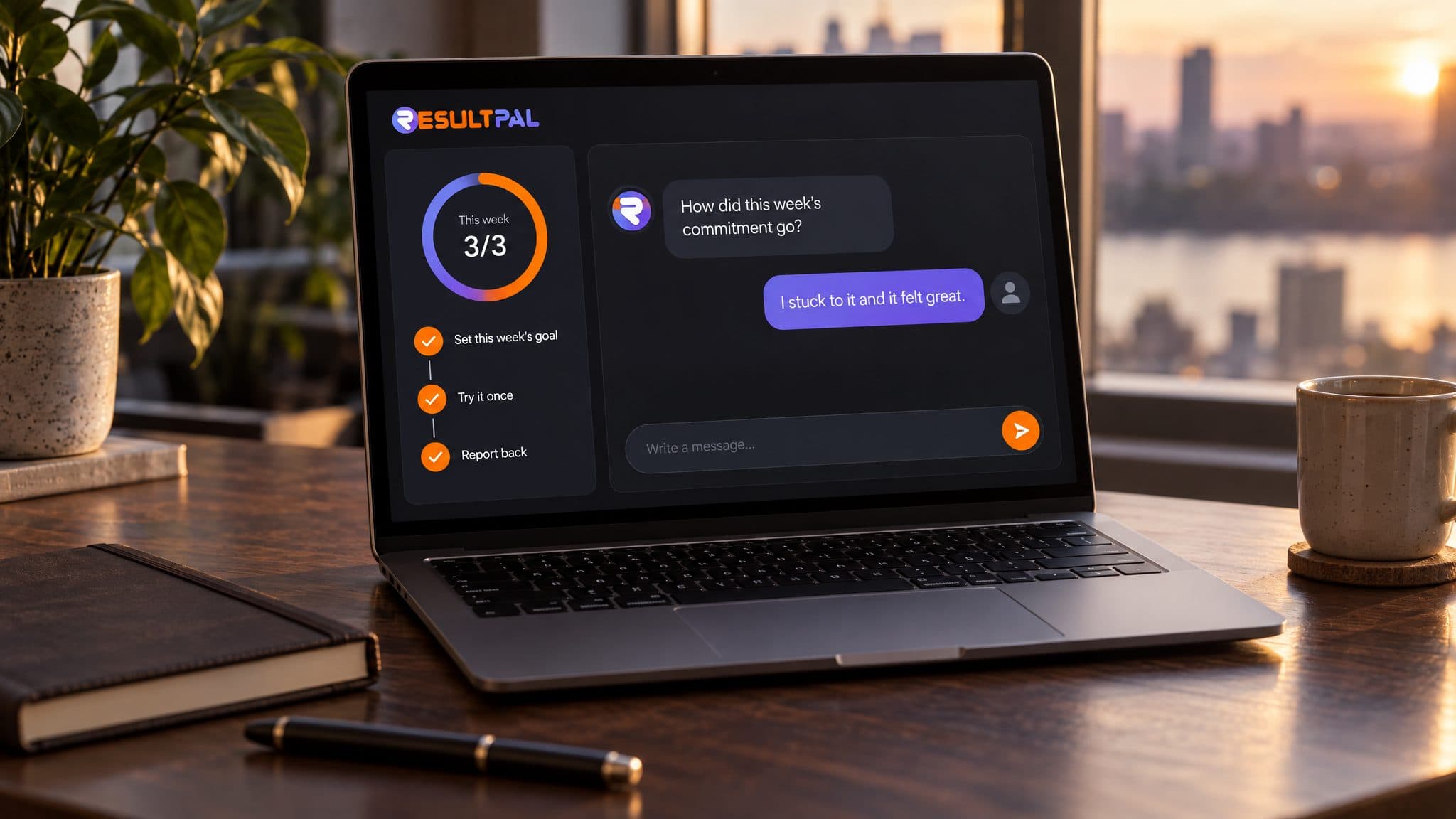 01AI Coach · Training
An AI coach that keeps an author's teaching working after the workshop
We built the full ResultPal platform for author Dr. Pelè. He sells it to organizations. Its AI coach helps people use his teaching. It was in production in about three months.
ResultPal · Dr. Pelè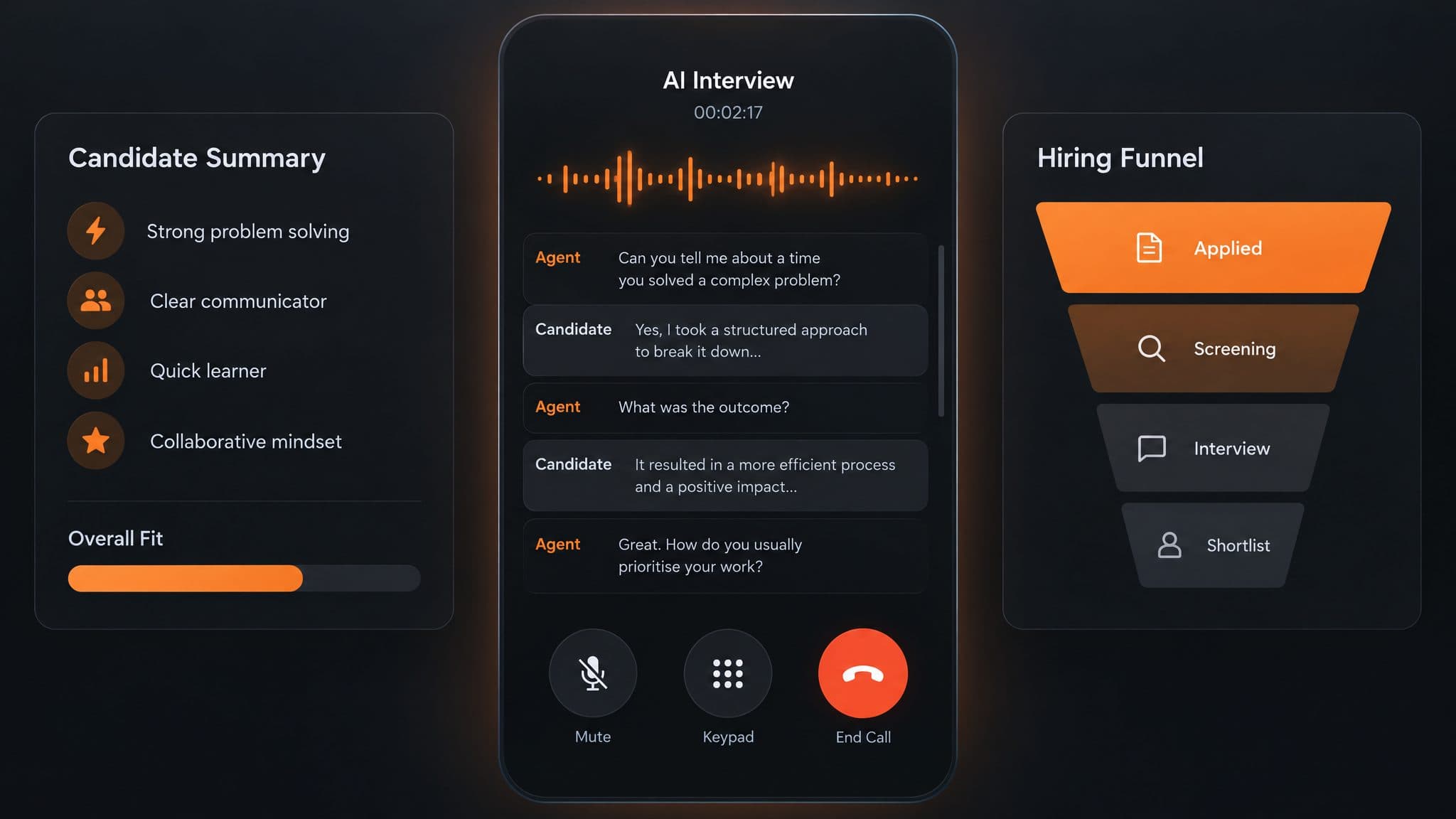 02Voice Agent · Recruitment
A voice and avatar hiring agent that ran an 800+ candidate funnel
Every candidate who took the call got the same set questions, and recruiters started from a shortlist with summaries. Role-play for a full loan officer cohort needs the same voice work at scale.
Hiring team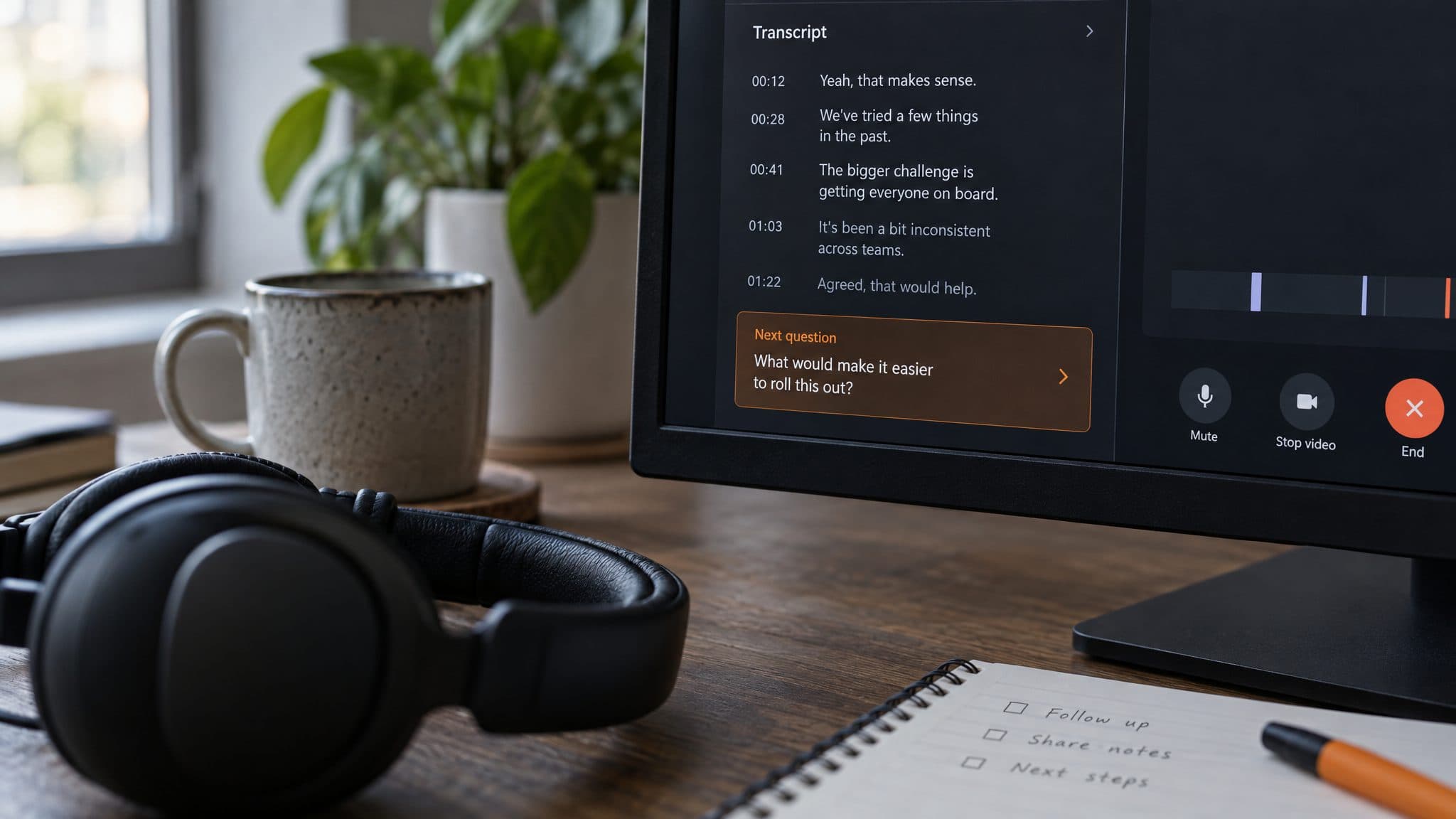 03AI Co-pilot · Live Calls
A live call co-pilot built in eight days on an open-source base
A macOS app built in eight days that transcribes both sides of a discovery call and suggests the operator's next move. Scoring a practice call against your playbook uses the same listening.
Australian SME AI program
What else is on the market.
The tools a coaching business would compare us against, checked on the date shown. Where a vendor publishes nothing, the table says so.
You own the code and the data from day one, it runs in accounts in your name, and your playbook stays yours instead of training a vendor’s product.
Lines your role-play coach will never cross
Each line is a rule in the build, with a test behind it, before the first client signs in.
- 01
Suggest giving or taking anything of value for referrals.
- 02
Say a gift is fine because it is small.
- 03
Say anything that would discourage someone from applying because of who they are.
- 04
Quote real rates, promise approval or guarantee a closing date.
- 05
Give legal or tax advice. It points to your compliance team.
- 06
Record a practice call without the loan officer agreeing first.
- 07
Contact a real agent or borrower. It is a practice partner, not a dialer.
Things coaches ask before they book.
Updated
Can loan officers practice on our exact playbook?
Yes. Every scenario is built from your call guides and value proposition scripts, and the score uses your scorecard. Your coaches and your compliance team run test calls and correct anything before members see it.
Why practice the realtor partner call so much?
Because it decides the pipeline. A loan officer who wins two producing agents gets a steady flow of buyers, and one who keeps hearing "I've already got a lender" does not. The objection is usually a sign the pitch is too generic, and generic pitches only get sharper with reps.
How does it handle RESPA?
Partner scenarios include the agent who asks for ads, lunches or a thank-you for referrals. Any answer that ties something of value to referrals is flagged, and the coach shows the answer your compliance team approved. The AI never decides a gray area. It sends it to your people.
Does it quote real rates?
No. Practice uses made-up scenarios and numbers, so nobody mistakes a role-play for a quote. Where your script states a rate, the rubric checks that the APR comes with it, and anything written for email or social is checked for Regulation Z trigger terms.
How is it different from Amotions or Hyperbound?
Both are good per-seat tools. Amotions trains on a company's playbooks and starts with a free plan. A build is for a coaching company that wants the practice under its own brand, on its own playbook and compliance answers, with no per-seat fee as the cohort grows, and the data in its own accounts.
Can we sell it as a paid tier?
Yes. Members log in under your brand, and you set the price. We take no revenue share and charge no seat fee. Hosting and AI accounts are in your name, so the running cost is the provider’s bill, which grows with use, not headcount. We estimate about $2 to $4 per active member a month for voice.
Does it connect to our CRM?
Jungo runs on Salesforce, so it can use the Salesforce APIs. Shape publishes API docs, and ICE says Surefire integrates through public APIs. Every connection is confirmed in your one-page plan before you pay anything.
How long does it take, and what does it cost?
A first version takes about two weeks, and most builds are live in four to six weeks. After a free call and a free audit, you get one fixed quote in writing, paid 50% to start and 50% at launch. From you we need your playbook, your scorecard, your compliance team’s approved answers and two 60-minute sessions.
Going deeper: how AI usage costs add up per member, and who owns an AI coach built on your playbook.

Start with a free call.
Tell us how you coach and where your people get stuck. Then a free audit: we look at your method and the tools you already run, and tell you what we would build first, or whether an off-the-shelf tool already does the job. You get one fixed quote in writing.
Free call · free audit · one fixed quote in writing
- 01Book a free callTell us how you coach and where your people get stuck.
- 02Get a free auditWe look at your method and the tools you already use.
- 03DecideA fixed quote in writing. Nothing to pay if you say no.