Certification practice lab for coach-training schools - Trainees get the reps. Mentors stay in charge.
Zaibex builds Certification Practice Labs, a type of AI practice coach, for coach-training schools and certification programs, ICF or EMCC accredited or not. Trainees coach an AI practice client any time and get first-pass feedback on your competencies, which a mentor approves. Every session is logged as rehearsal, never as client hours. A first version takes about two weeks, most builds are live in four to six weeks, and you own the code and data.
Trainees learn the competencies in class, then wait for a practice client and wait again for notes. A practice lab fills that gap. They coach an AI client whenever they have twenty minutes, get feedback on your competencies, and a mentor approves it before it goes on their record. It is rehearsal, logged as rehearsal, and never counted as client hours.

The problems this is built for.
Common problems coach-training school owners describe. Not client quotes, and no one here is a named client.
Hover to pause
“Mentors can’t listen to every trainee.”
“Trainees stall for lack of practice clients.”
“Hours logging is spreadsheets and screenshots.”
“Feedback on a practice session arrives weeks after the session.”
“Graduates vanish after the program.”
“Inquiries pile up and the fit calls go to the wrong people.”
The sessions trainees should rehearse before a real client sees them.
Every scenario runs on your competency model and your marking guide, whether that follows ICF, EMCC or your own method. The AI plays the client, from a profile your faculty writes. These are the moments we design for first. Every score is first-pass feedback that a mentor approves.
The client who just feels stuck
Session 4. The client is vague and a little flat. The easy move is to name their feeling for them. Your guide wants the trainee to use the client’s own words and go deeper.
What the AI client says- “I keep saying yes to projects I don’t want. I just feel stuck.”
- “I don’t really know what I want from today.”
- “It’s hard to explain. It’s just a lot.”
What first-pass feedback checks- Listens actively: used the client’s own words
- Evokes awareness: asked about the moment, not the theory
- Left space, without filling the silence
The client who wants advice
The client sees the trainee as the expert and wants answers. A new coach is tempted to consult. Your guide wants them to stay in coaching without dodging the question.
What the AI client says- “What would you do?”
- “Just give me three options.”
- “You’re the coach. Tell me what works.”
What first-pass feedback checks- Stayed in coaching, not consulting
- Handed the choice back to the client, kindly
- Explained the difference when the client asked
Agreeing what the session is for
The client arrives with three topics and no focus. The trainee has to agree what this session is for, and check that agreement again when the topic shifts.
What the AI client says- “Can we talk about work, and my partner, and my health?”
- “I’m not sure. You pick.”
- “Actually, something else came up this morning.”
What first-pass feedback checks- Agreed a focus for this session
- Asked what success would look like by the end
- Checked the agreement again when the topic changed
When it might not be coaching
The AI client mentions something that may need a different professional. The trainee has to notice it, name the line kindly and follow your school’s referral steps.
What the AI client says- “I haven’t slept properly in weeks and nothing feels worth it.”
- “My doctor says it’s anxiety, but I think coaching can fix it.”
What first-pass feedback checks- Noticed it might be outside coaching
- Named the boundary without ending the relationship
- Followed your school’s referral steps
Closing with the client’s own next step
Ten minutes left. The client is drifting. The trainee has to help them name a next step that is theirs, not homework the trainee hands out.
What the AI client says- “I’ll think about it.”
- “Maybe next week.”
- “I don’t know what the first step would even be.”
What first-pass feedback checks- The client named their own next step
- The trainee did not assign it for them
- Closed on time, with the agreement summed up
What your trainee does, and what you do.
An example week for one trainee in a coach-training program. The left column is the trainee. The right column is your school and your mentors, and most days it asks very little of them.

- 01MondayYour trainee
At 7pm, Claire coaches an AI practice client for 20 minutes. First-pass feedback: evoking awareness 2 of 5, and one skill to work on: use the client’s own words.
YouNothing. The session goes into the mentor queue, marked as practice.
- 02TuesdayYour trainee
She works on that one skill with the AI client again, on her phone, before work.
YouHer mentor opens the queue, edits one line of the feedback and approves it.
- 03WednesdayYour trainee
She logs a real session with a pro bono client. Her coaching hours update: 62 of 100. Practice sessions don’t count.
YouNothing. The tracker updates as trainees enter real sessions.
- 04ThursdayYour trainee
“Your mentor’s feedback is ready to read.” She reads it and practices again. Evoking awareness: 4 of 5.
YouA mentor signs off the competency. Only then does it go on her record.
- 05FridayYour trainee
Gets a recap: two practice sessions, one skill improved, and mentor coaching at 7 of 10 hours.
YouYou read the Friday view: 22 of 25 trainees practiced, two are behind on hours, and the mentor queue is clear.
A practice lab on your competencies, with mentors in charge.
We build from your competency model, your marking guide and the feedback your mentors already give. Trainees log in under your school’s name, next to the platform you already run.
- 01
An AI practice client by voice or text, any time, played from client profiles your faculty writes, set to easy, normal or hard
- 02
First-pass feedback against your own marking guide, with a readiness score per competency
- 03
A mentor review queue: mentors approve, edit or reject feedback before it goes on the trainee’s record
- 04
Every AI session labelled and logged as practice, kept apart from client coaching hours
- 05
An hours and competency tracker for client hours, mentor coaching hours and sign-offs, with a one-click export
- 06
A cohort dashboard and a certification-readiness report, with a human signing off every certification
- 07
Recorded sessions only where the trainee agrees on screen
- 08
If you want them: an admissions assistant that answers the usual questions and books the fit calls, and an alumni portal with continuing education and payments
- Kajabi (public API on Pro, webhooks on Growth and Pro)
- Circle (Admin API on Business and up)
- CoachAccountable
- Zoom
- Calendly
- Stripe
The rules your trainees certify under.
Accrediting bodies decide what counts toward a credential. A practice lab must not blur those lines. These go into the build and into the words trainees see. We checked each one on the body’s own pages on 28 October 2026, and your school’s own accreditation terms come first.
- ICF: what counts as a coaching hourICF: What are the ICF experience requirements?What it means for practice
ICF counts one client coaching hour as a live 60-minute session with a client who hired you as their coach. Mentor coaching does not count. Coaching inside a training program, or with students, trainers or mentors, does not count unless it happens outside the classroom with a real client.
What the coach doesAn AI client is not a client. Every AI session is labelled and logged as practice, and the hours tracker keeps it apart from client hours. Trainees see that line on every session.
- ICF: the ACC requirementsICF: Become an Associate Certified Coach (ACC)What it means for practice
The ACC asks for 60 hours of coaching education, 100 hours of coaching experience with at least 75 paid, 10 hours of mentor coaching over three months, a performance evaluation and a passing score on the ACC exam.
What the coach doesThe tracker follows those targets for each trainee, from the real sessions they enter. AI practice never adds to client hours or to mentor coaching hours.
- EMCC Global: individual accreditationEMCC Global: EMCC Individual Accreditation (EIA)What it means for practice
EMCC Global’s EIA counts client contact hours and clients: 50 hours and five clients at Foundation, 100 hours and 10 clients at Practitioner. Applicants also show ongoing one-to-one supervision and continuing professional development.
What the coach doesAI sessions are logged as practice, never as client contact hours. Supervision stays with your human supervisors. The lab can gather the practice notes they review.
- Client consent and trainee dataICF: What are the ICF experience requirements?What it means for practice
ICF asks coaches to get a client’s consent before adding them to a coaching log, in line with laws such as the GDPR. Trainees also share their own practice, which should stay between them and their mentor.
What the coach doesThe tracker asks for client consent before a name is logged. Sessions are recorded only after the trainee agrees on screen, data stays in accounts in your name, and each mentor sees only their own trainees.
- Crisis lines988 Suicide & Crisis LifelineWhat it means for practice
A practice session is a role-play, but the trainee is a real person. Sometimes what they write is about them, not the client they are playing to.
What the coach doesIf a trainee writes about self-harm or a crisis, the lab stops the session, shows the 988 Suicide & Crisis Lifeline and alerts a named person at your school.
This is how we build, not legal advice. Your counsel or compliance team signs off on the scripts before launch.
Work this is built on.
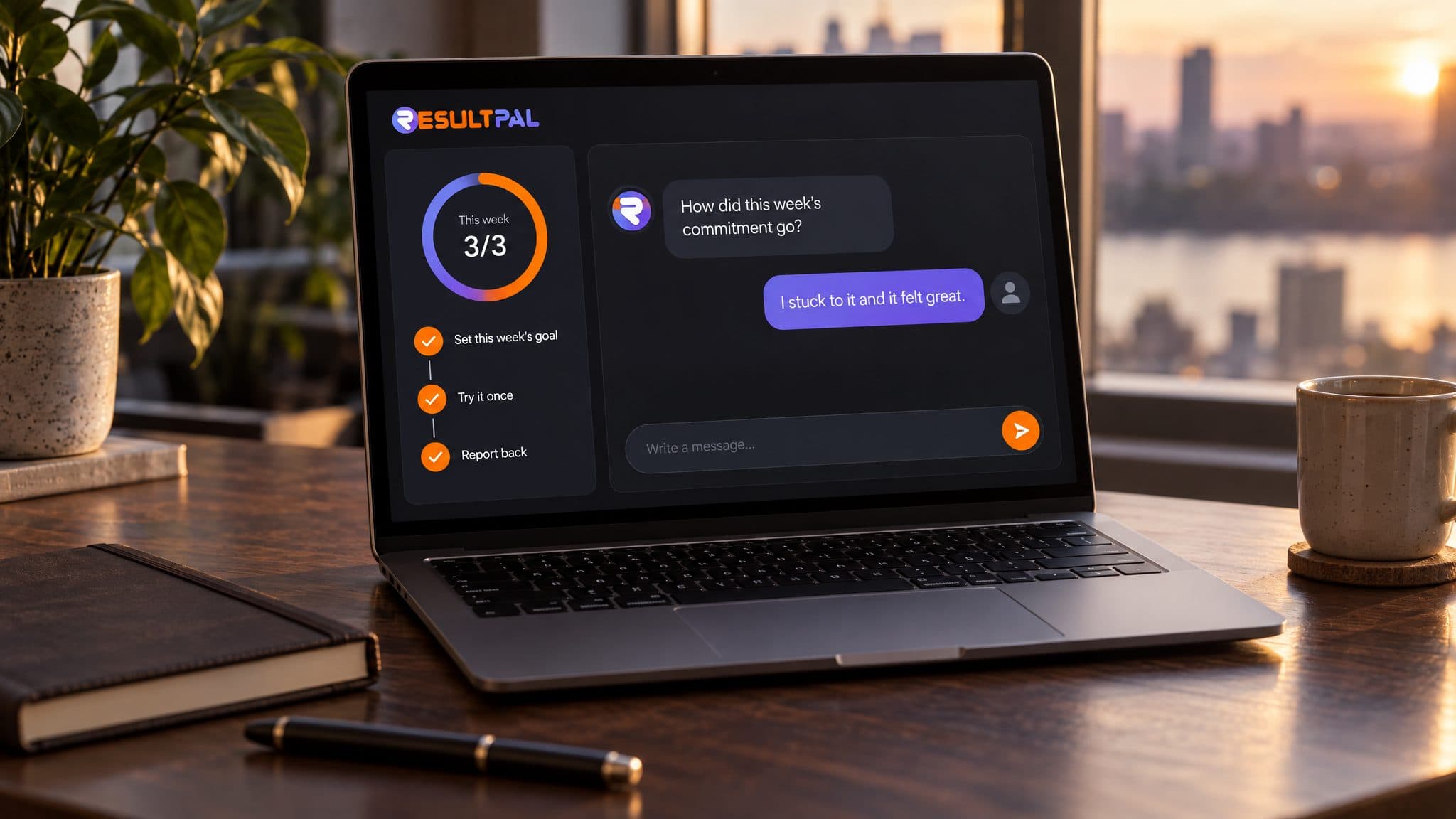
“Employees can now practise each workshop lesson with an AI coach between sessions and reflect on results, while managers see team progress and where support is needed.”
 01AI Coach · Training
An AI coach that keeps an author's teaching working after the workshop
We built the full ResultPal platform for author Dr. Pelè. He sells it to organizations. Its AI coach helps people use his teaching. It was in production in about three months.
ResultPal · Dr. Pelè 02Workshop Exercise · Five Whys
A timed workshop exercise app where the AI decides when to stop asking why
A timed exercise app where an AI asks up to five follow-up questions on each answer, and every session ends in an emailed analysis built from the person's own words. First-pass feedback on a practice session is built the same way, from what the trainee actually said.
Australian SME AI program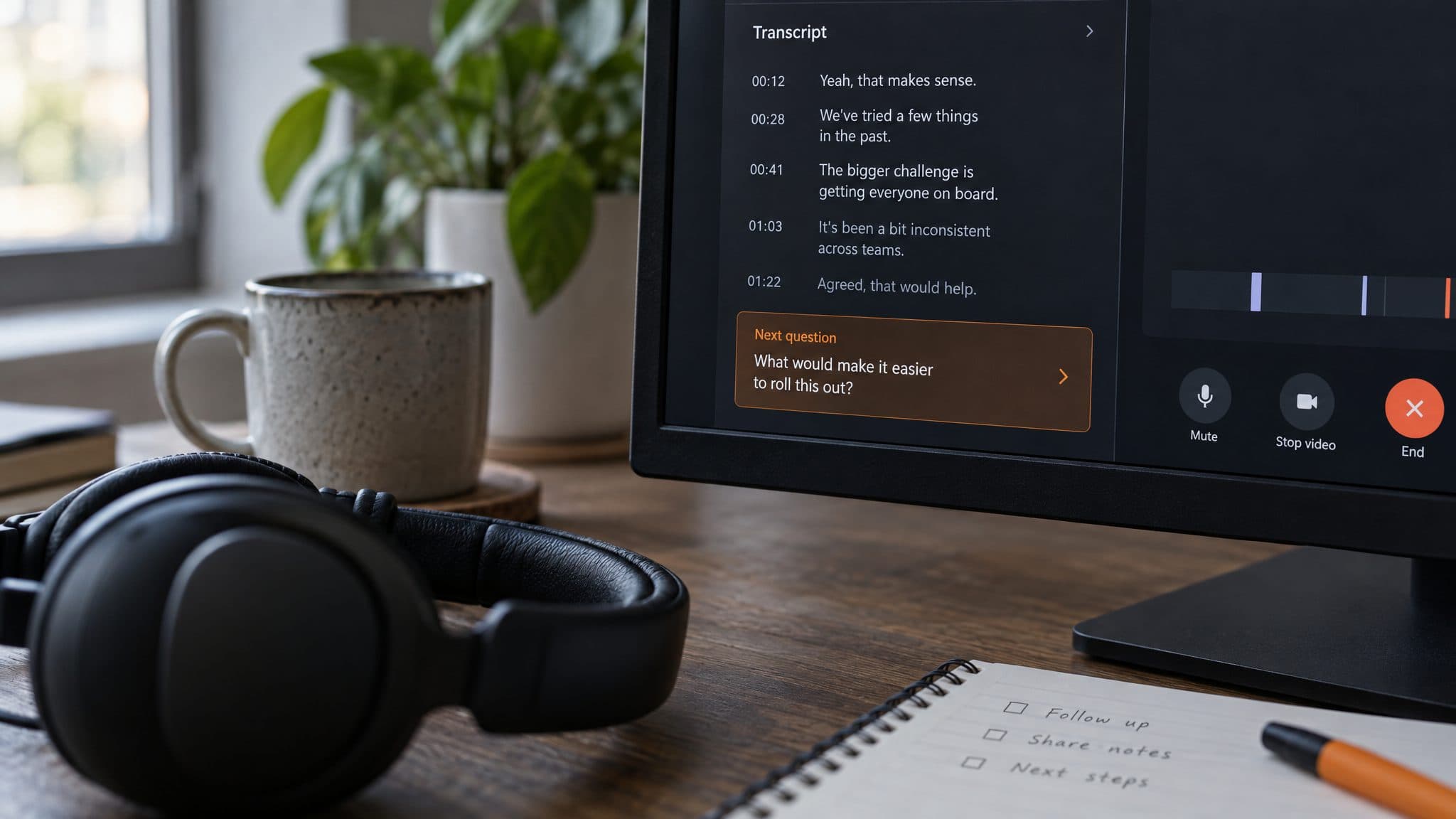 03AI Co-pilot · Live Calls
A live call co-pilot built in eight days on an open-source base
A macOS app built in eight days that transcribes both sides of a discovery call and suggests the operator's next move. Scoring a practice session on your competencies uses the same listening.
Australian SME AI program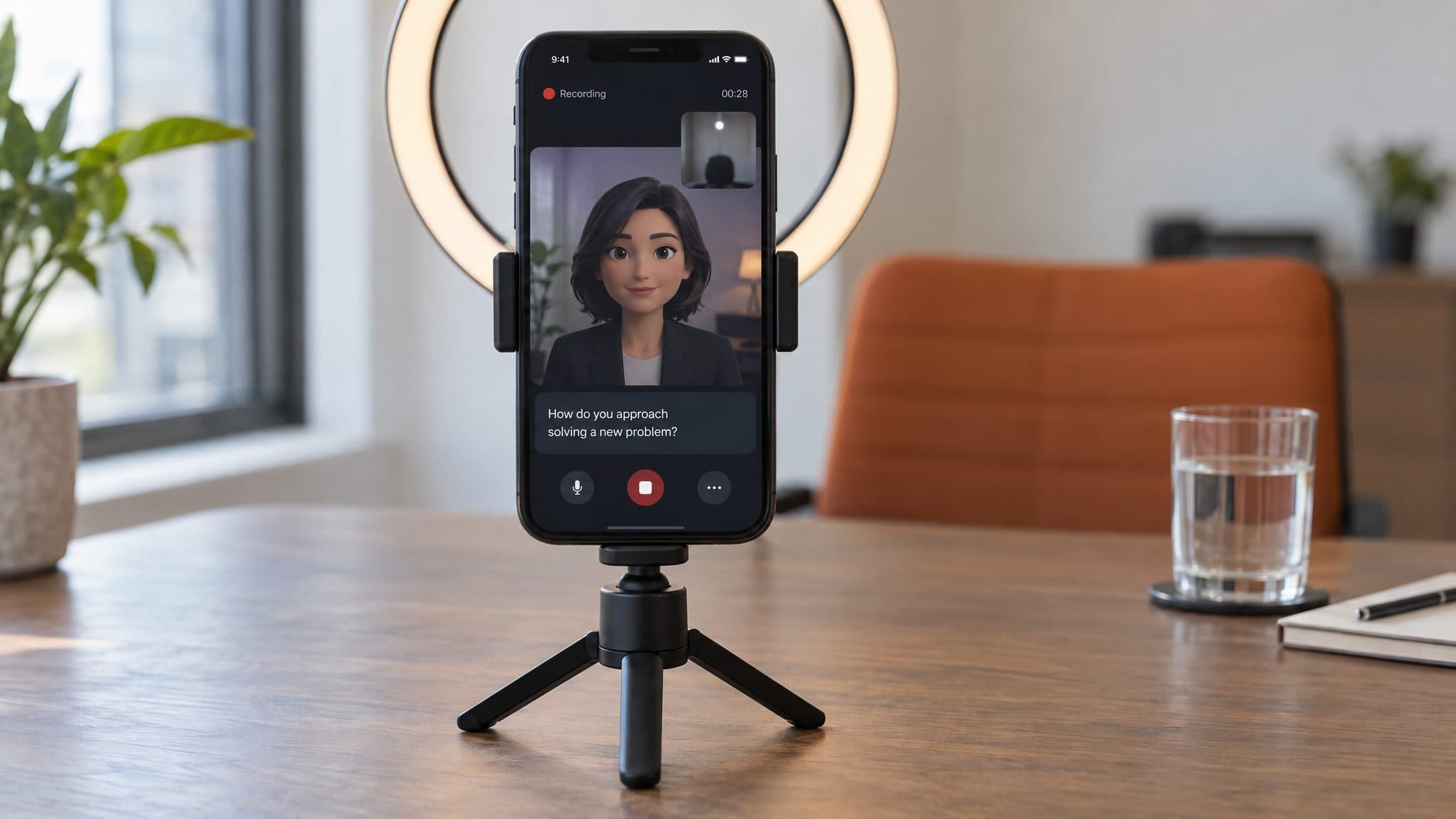 04AI Avatar · Testimonials
An AI avatar that interviews participants and cuts each recording into one video
An avatar that interviews participants in the browser and asks one follow-up when an answer is vague. An AI practice client that answers like a real one is built on the same idea.
Australian SME AI program
What else is on the market.
The tools a coaching business would compare us against, checked on the date shown. Where a vendor publishes nothing, the table says so.
You own the code and the data from day one, it runs in accounts in your name, and your marking guide and trainee records never train a vendor’s product for other schools.
Lines your practice lab will never cross
Each line is a rule in the build, with a test behind it, before the first client signs in.
- 01
Count an AI session as client coaching hours or as mentor coaching.
- 02
Put a score on a trainee’s record before a mentor approves it.
- 03
Certify anyone. A human signs off every certification.
- 04
Say it is approved by ICF or EMCC, or that a session meets a body’s requirements.
- 05
Record a session without the trainee agreeing first.
- 06
Coach a trainee through a real crisis. It stops, shows the 988 Lifeline and alerts a named person at your school.
- 07
Show one trainee’s sessions to another trainee, or to a mentor who is not assigned to them.
Things coach-training schools ask before they book.
Updated
Do AI practice sessions count toward ICF or EMCC hours?
No. They are rehearsal, not client coaching, and the build says so to trainees. Schools use them to give trainees more practice and faster feedback on their competencies, and a mentor signs it off before it counts on the record. ICF counts a coaching hour as a live session with a client who hired the coach, and EMCC Global counts client contact hours. An AI client is neither, so the lab logs every session as practice.
Sources: ICF: What are the ICF experience requirements?; EMCC Global: EMCC Individual Accreditation (EIA)
Where do our mentors fit?
Scores and written feedback land in a mentor queue first. A mentor approves, edits or rejects them before they go on the trainee’s record, and the queue is part of the Friday view. The lab never stands in for mentor coaching itself. ICF asks for 10 hours of mentor coaching over three months for the ACC, with a real mentor coach.
Can you build a certification practice and assessment platform for our coach-training program?
Yes. That is the Certification Practice Lab. Trainees coach an AI practice client, get first-pass feedback on your competencies and a readiness score per competency, and mentors approve it in a review queue. The cohort dashboard and certification-readiness report show who is close to ready, and a human signs off every certification. It can grow to include an hours tracker, an admissions assistant and an alumni portal under your school’s name.
What is AI practice for coach-training students before they certify?
An AI client that trainees can coach any time, by voice or text, between classes. It plays a client from a profile your faculty writes, and it acts like real clients do: vague goals, asking for advice, changing topic. After each session the trainee gets feedback on your competencies, a mentor approves it, and the session is logged as practice. It adds reps. It does not replace real clients, triads or mentor coaching.
Does it work with the ICF Core Competencies, EMCC, or our own model?
Yes. We build the feedback from your marking guide, whichever framework it follows. If you teach to the ICF Core Competencies or EMCC Global's competence framework, your guide already maps to them. We don't claim the lab is approved by ICF or EMCC, and its scores are feedback for your mentors, not an official assessment.
Can trainees log their real client hours in it?
Yes. Trainees enter their real sessions, and the tracker shows client hours, mentor coaching hours and competency sign-offs against the targets you set, such as the 100 hours with at least eight clients and 75 paid hours that ICF asks for at ACC level. Practice sessions sit in their own column and never add to client hours. Exports take one click, so nobody sends screenshots. ICF asks coaches to get client consent before they log a client’s name, so the tracker asks for it too.
Is it voice or text?
Both. Coaching is spoken, so voice is the default for practice sessions, with a standard AI voice. Text is there for quick drills. The AI always says it is an AI practice client, and we don't copy anyone's voice.
Ovida and Yoodli already exist. Why build our own?
They are good tools. Ovida gives feedback on recorded coaching sessions against ICF or EMCC competencies, has AI practice partners, and says its contracts start under $10,000 a year. Yoodli does AI role-play, with custom role-plays on its Business plan. Both run on their own platforms. A build runs on your own marking guide, with your mentor queue and hours tracker, under your school’s name, in accounts you own, with no fee per trainee. If a tool fits you better, we say so on the call.
Sources: Ovida: for coaching schools and mentor coaches; Ovida pricing; Yoodli pricing
Are practice sessions recorded, and who sees them?
Only if the trainee agrees on screen first, and only the mentors you assign can see them. Trainees never see each other’s sessions. Data stays in accounts in your name, and we use AI provider APIs that don’t train on your data by default.
How long does it take, and what does it cost?
A first version takes about two weeks, and most builds are live in four to six weeks. After a free call and a free audit, you get one fixed quote in writing, paid 40% to start, 30% at the approved first version and 30% at launch. Hosting and AI accounts are in your name, so the running cost is the provider’s bill, which grows with use, not headcount. Optional monthly support (Care & Grow) is never required. From you we need your competency model, your marking guide, a few sessions your mentors have already marked, and two 60-minute sessions.

Other pages for coaching businesses.
- Real estate coaching companiesYour agents know the script. Now they get the reps.
- Loan officer coachingThe realtor call goes better on the tenth try.
- Authors and speakersReaders finish the book. Then they do what it says.
- Coaches and course creatorsThe work happens between your calls. Now you can see it.
Start with a free call.
Tell us how you coach and where your people get stuck. Then a free audit: we look at your method and the tools you already run, and tell you what we would build first, or whether an off-the-shelf tool already does the job. You get one fixed quote in writing.
Free call · free audit · one fixed quote in writing
- 01Book a free callTell us how you coach and where your people get stuck.
- 02Get a free auditWe look at your method and the tools you already use.
- 03DecideA fixed quote in writing. Nothing to pay if you say no.